Japan with Kids: Our Family Trip Around Tokyo, Nikko & Mount Fuji
Tokyo, Nikko and Mount Fuji with a 4- and 7-year-old. The things we loved, the things we'd do differently, and what we wish someone had told us before travelling to Japan with younger kids.
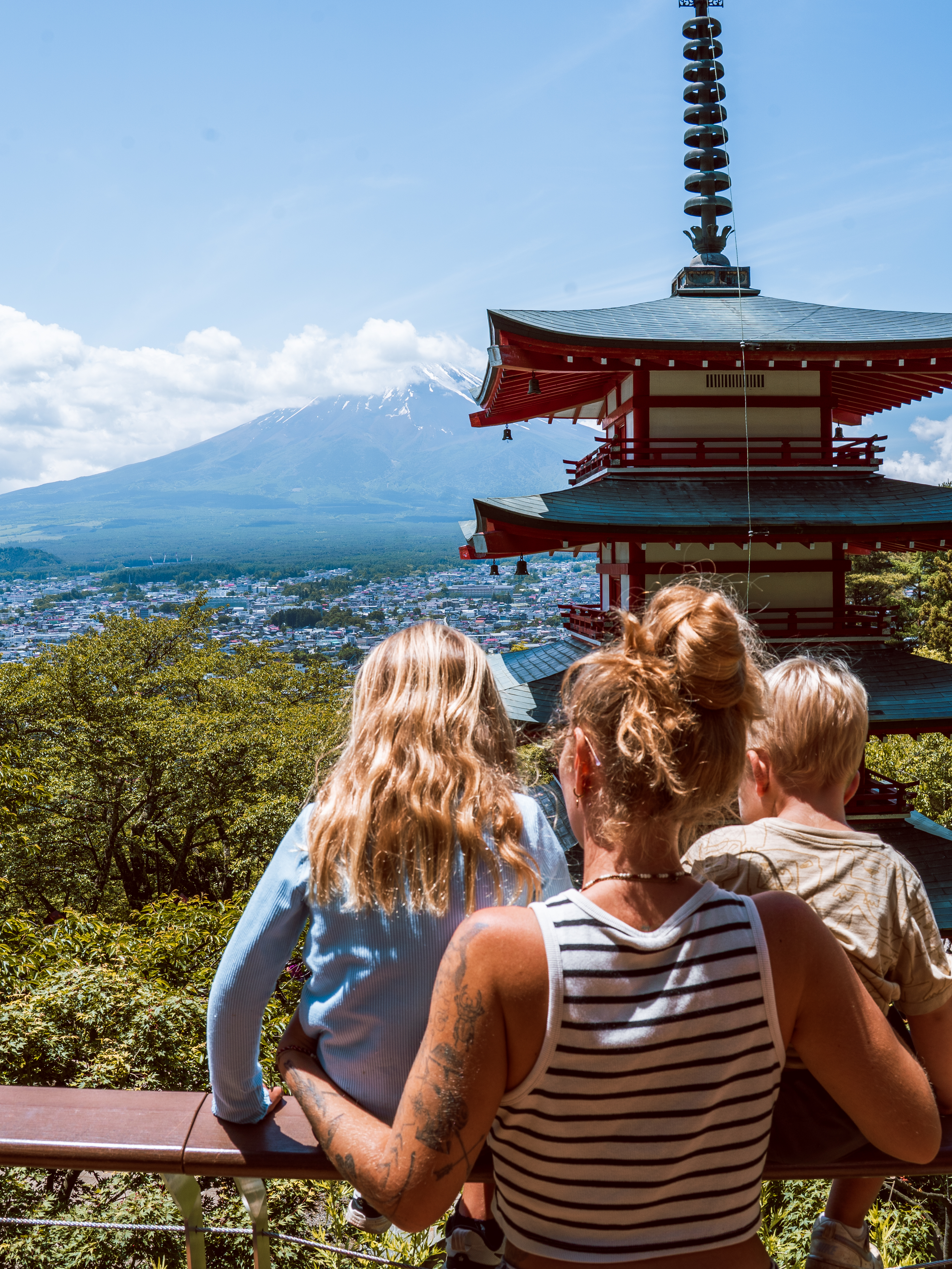
Japan had been on our bucket list for a long time. The neon lights of Tokyo, ancient temples, incredible food, Mount Fuji and all those little things that make Japan feel completely different from anywhere else.
So during our world trip, we finally made it there — with our two kids, who were 4 and 7 at the time.
And Japan surprised us. Just maybe not in the way we expected.
We decided to stay around Tokyo rather than trying to cross half the country and chose three main bases:
📍 Tokyo – 4 days 📍 Nikko – 7 days 📍 Fujikawaguchiko – 4 days
Looking back, there are things we absolutely loved, things we would do differently, and a few things we really wish someone had told us before travelling to Japan with younger kids.
Here's our experience.
🇯🇵 4 Days in Tokyo with Kids
Tokyo is huge. Like, really huge.
Even with four days, we only scratched the surface, and we quickly realised that trying to see everything would make the days exhausting — especially with two young kids.
Still, there were some places we really enjoyed.
Our favourite things to do in Tokyo with kids
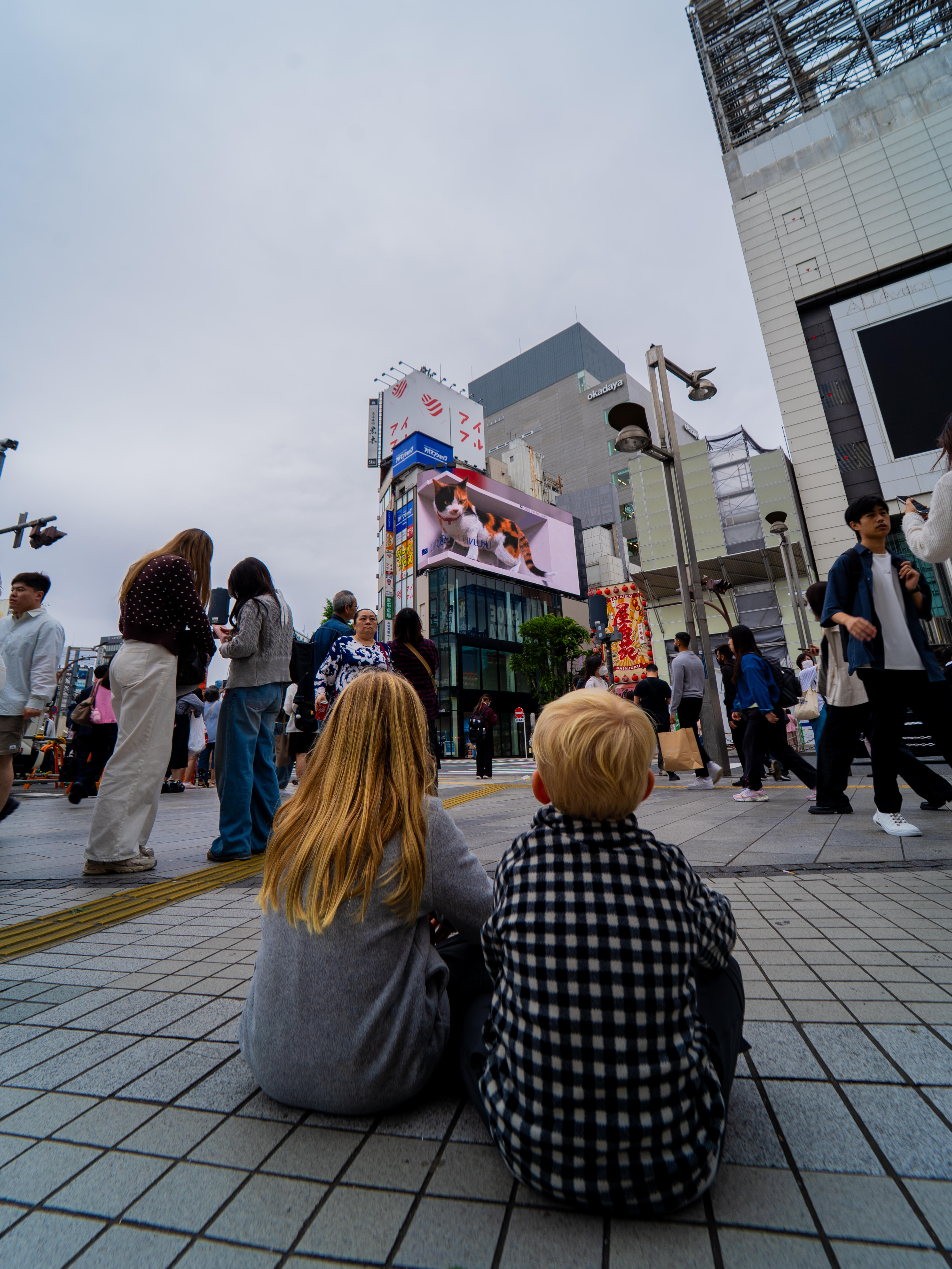
🐱 Giant 3D Cat
A fun little stop, especially with kids. You'll find the famous giant 3D cat on the billboard near Shinjuku Station.
💡 teamLab Planets
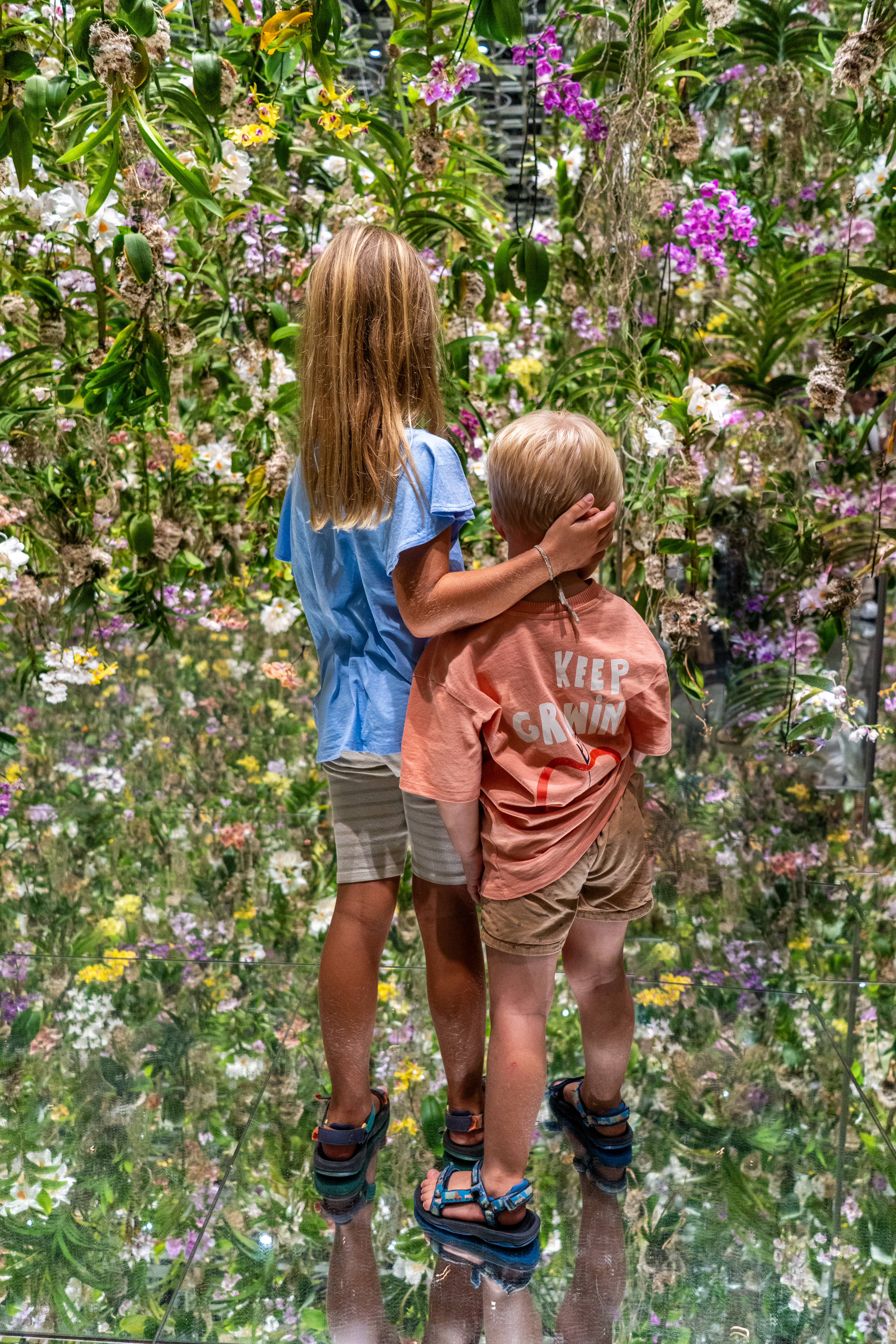
This was easily one of our Tokyo highlights and one of those experiences that actually worked really well for the whole family.
You take off your shoes and walk barefoot through different immersive rooms: through water, underneath huge floating flowers and through digital worlds that react to your movements.
The kids could actually experience the art rather than just look at it — which made such a difference.
For our family of four, we paid:
- 2 adults: ¥8,400
- 2 children: ¥3,000
- Total: ¥11,400
Adult tickets started at around ¥3,800 and tickets for children aged 4–12 at around ¥1,500 when we visited. We'd plan roughly 1.5–2 hours for the experience.
🙏 Ikegami Hommon-ji
A beautiful temple and a quieter contrast to Tokyo's busy centre. (Near our accommodation)
⚡ Pokémon Center MEGA TOKYO
Of course, this had to be on our list. If you have Pokémon fans in the family, definitely plan some time here.
🚦 Shibuya Crossing
One of those Tokyo classics you have to see once. You don't necessarily have to pay for an observation deck either — we found a great free view from the metro/station area.
🌳 Yoyogi Park
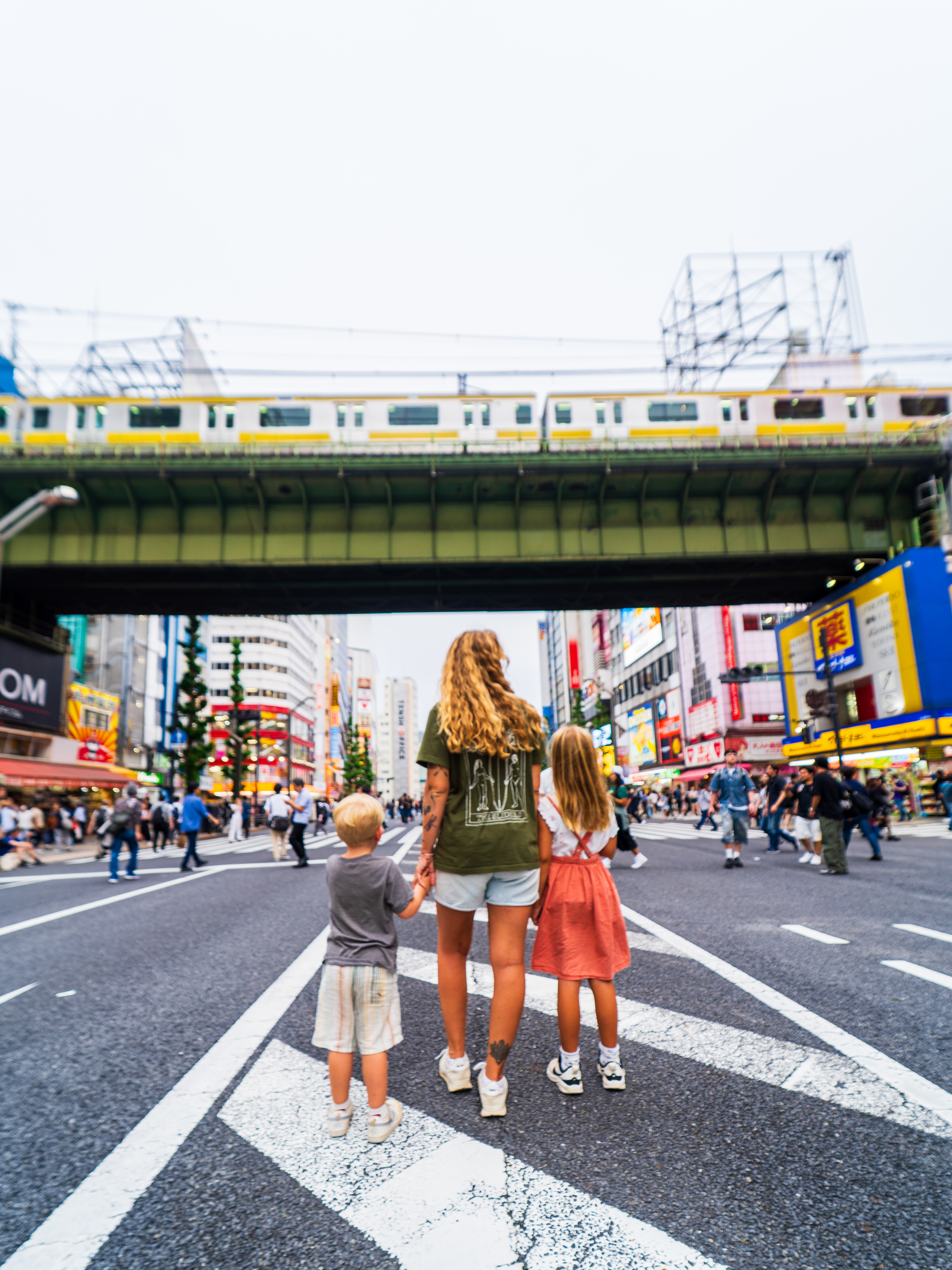
🕹️ Akihabara Electric Town
Also for some Pokémon shopping.
🗼 Tokyo Tower
🏙️ Tokyo Skytree
🌸 Ueno Park
Tokyo was fascinating, but it was also intense with younger kids. Distances are big, there's a lot of walking, and even a simple sightseeing day can quickly turn into a long one.
Where we stayed in Tokyo
We stayed in two different accommodations during our time in Tokyo.
Where we stayed
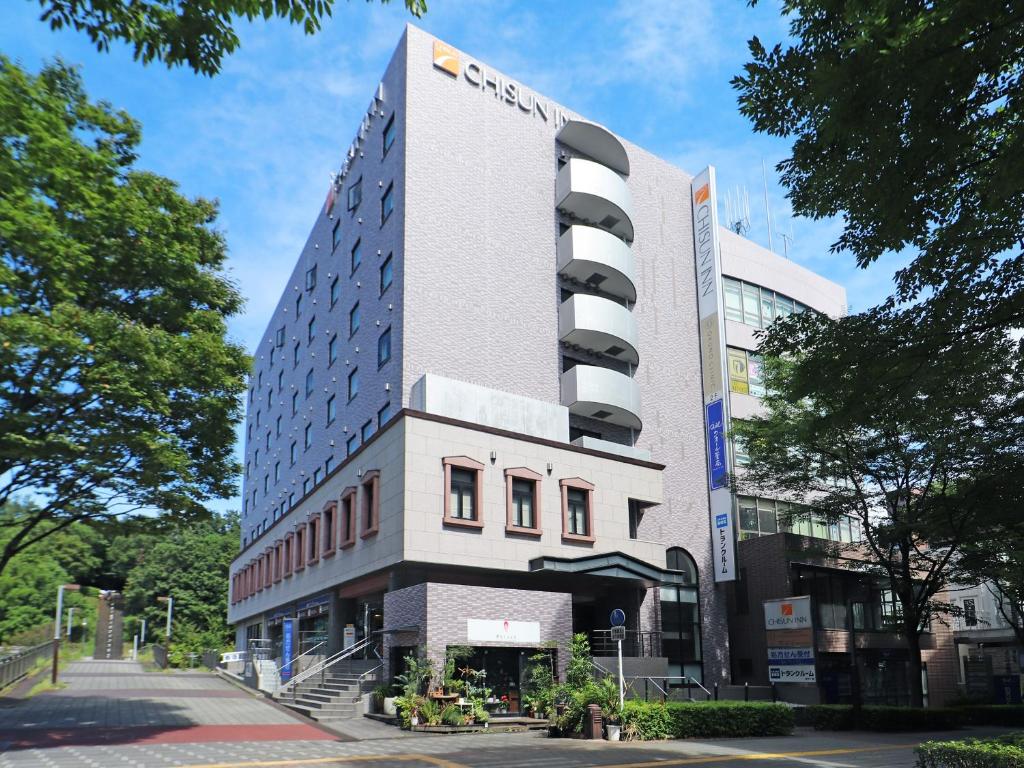
Chisun Inn Yokohama Tsuzuki
Yokohama

Where we stayed
Tokyo — Stay 2
Tokyo
Some of the accommodation links on our website are affiliate links. If you book through them, we may receive a small commission at no extra cost to you. It helps us keep sharing our experiences and guides for free.
🌿 7 Days in Nikko — Our Favourite Stop
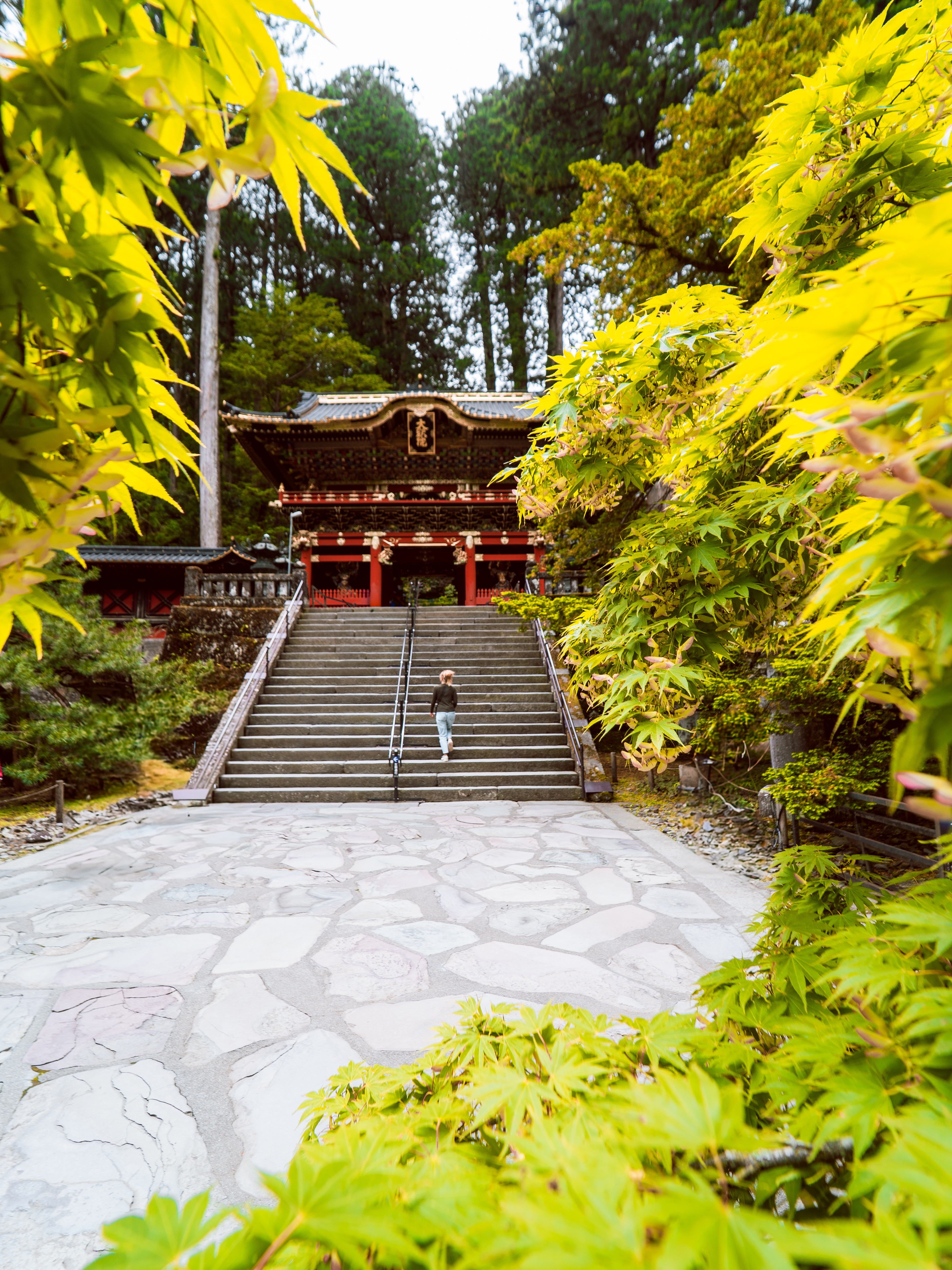
From Tokyo, we continued by train to Nikko.
And this was much more our kind of Japan.
After the intensity of Tokyo, Nikko felt greener, calmer and closer to nature. There's a great mixture of waterfalls, lakes, hot springs, forests, temples and shrines, so our days felt much more varied here.
Main reason to come here are the beautiful shrines.
Exploring Nikko's temples and shrines
One of our sightseeing days started around Nikkōzan Rinnōji Temple, an important Buddhist temple in an area where you'll also encounter many Shinto shrines.
One of the impressive things here are the three large gilded Buddha statues. We love places like this, but we also quickly learned that when travelling with a 4- and 7-year-old, simply saying "Look, another beautiful temple!" only works so many times. 😂
From there we continued past the beautiful Gojū-no-tō five-storey pagoda towards Tōshō-gū Shrine.
And then came the crowds.
We had deliberately gone early in the morning and not on a weekend, but the closer we got to Tōshō-gū, the busier it became. Really busy.
Of course, we were tourists ourselves, so we can't complain too much. But it was one of those reality checks where the atmosphere we'd imagined just wasn't really there anymore.
With so many people moving through the complex, some of that peaceful temple and shrine feeling got lost for us.
🐒 How we keep temples interesting for our kids
One thing that helped us a lot throughout Japan was turning temple visits into little treasure hunts.
At Tōshō-gū, for example, we looked for the famous Three Wise Monkeys — see no evil, hear no evil, speak no evil.
Instead of simply dragging the kids from one historic building to the next, we tried to find small details like this and tell them the stories behind them.
Suddenly they weren't just looking at another old building. They were searching for monkeys, dragons, carvings or other little details. It made these visits much more engaging for them.
⛩️ Escaping the crowds — Rin'nōji Taiyū-in
As more and more people arrived at Tōshō-gū, we eventually decided we'd had enough.
We left the busiest part and continued to the much less crowded Rin'nōji Taiyū-in.
And honestly?
This was much more our kind of place.
The difference in atmosphere was huge.
Suddenly we could hear the sounds of the forest again. There weren't masses of people moving around us, and we could actually slow down and take in our surroundings.
For us, places like this made it much easier to feel the spirituality and atmosphere we had hoped to experience at Japan's temples and shrines.
Sometimes the most famous sight simply isn't the one you remember most.
More things we did around Nikko
♨️ Okukinu Onsen Kaniyu
One of those experiences that feels unmistakably Japanese: soaking in an onsen surrounded by nature.
🔥 Nikkosan Hot Spring Temple
💦 Yudaki Falls
🌈 Kegon Falls
Well… apparently. 😂
We went all the way there and were greeted by clouds. Lots of clouds.
The weather was so bad that we basically couldn't see the waterfall at all. Sometimes travelling simply doesn't go according to plan.
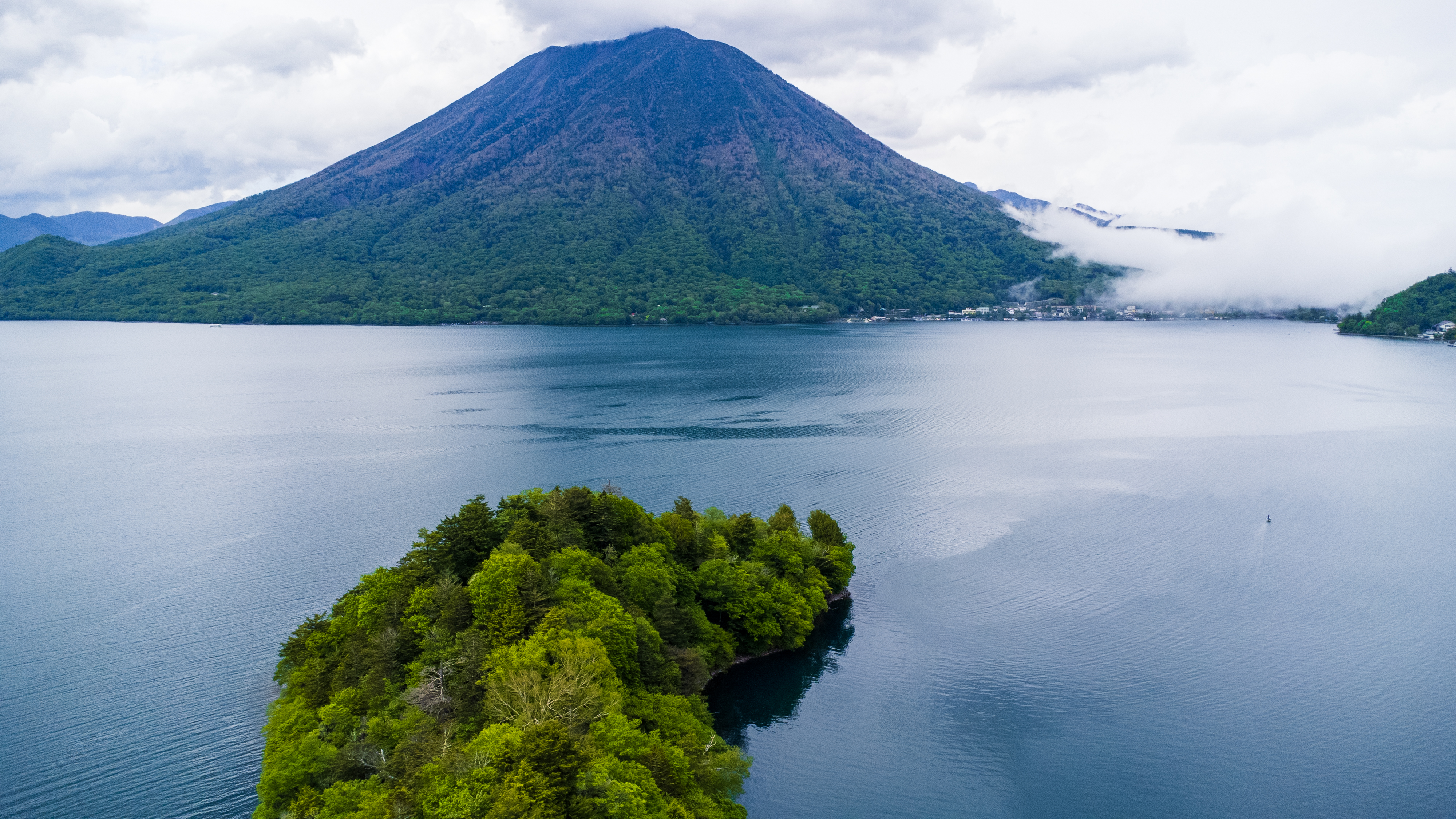
🌊 Lake Chuzenji
🌿 Kanmangafuchi Abyss
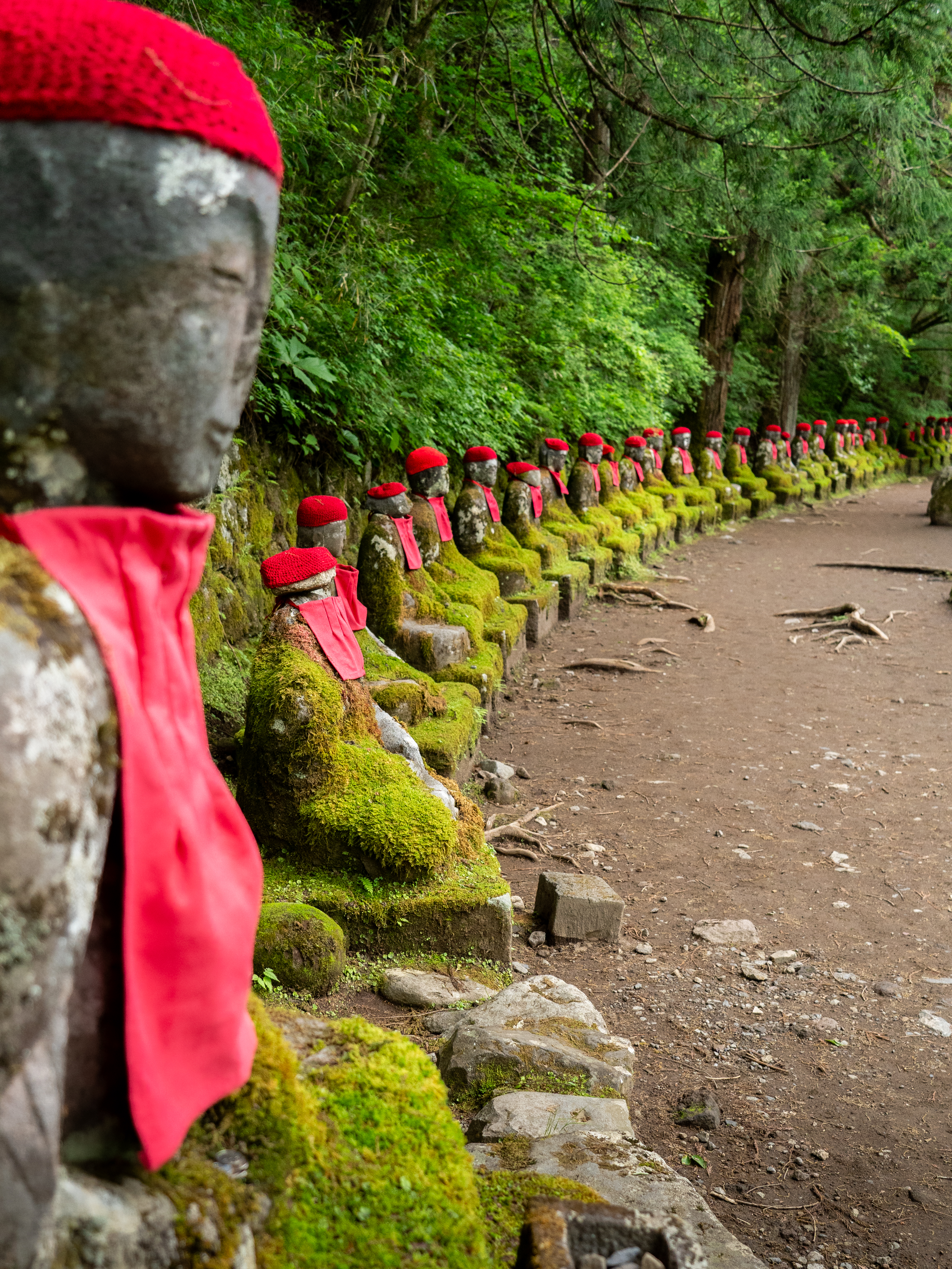
One of our favourite atmospheric places around Nikko. A peaceful riverside walk with rows of stone Jizo statues surrounded by forest.
⛩️ Futarasan Shrine
🐉 Tōshō-gū Shrine
🛐 Rinnōji Temple
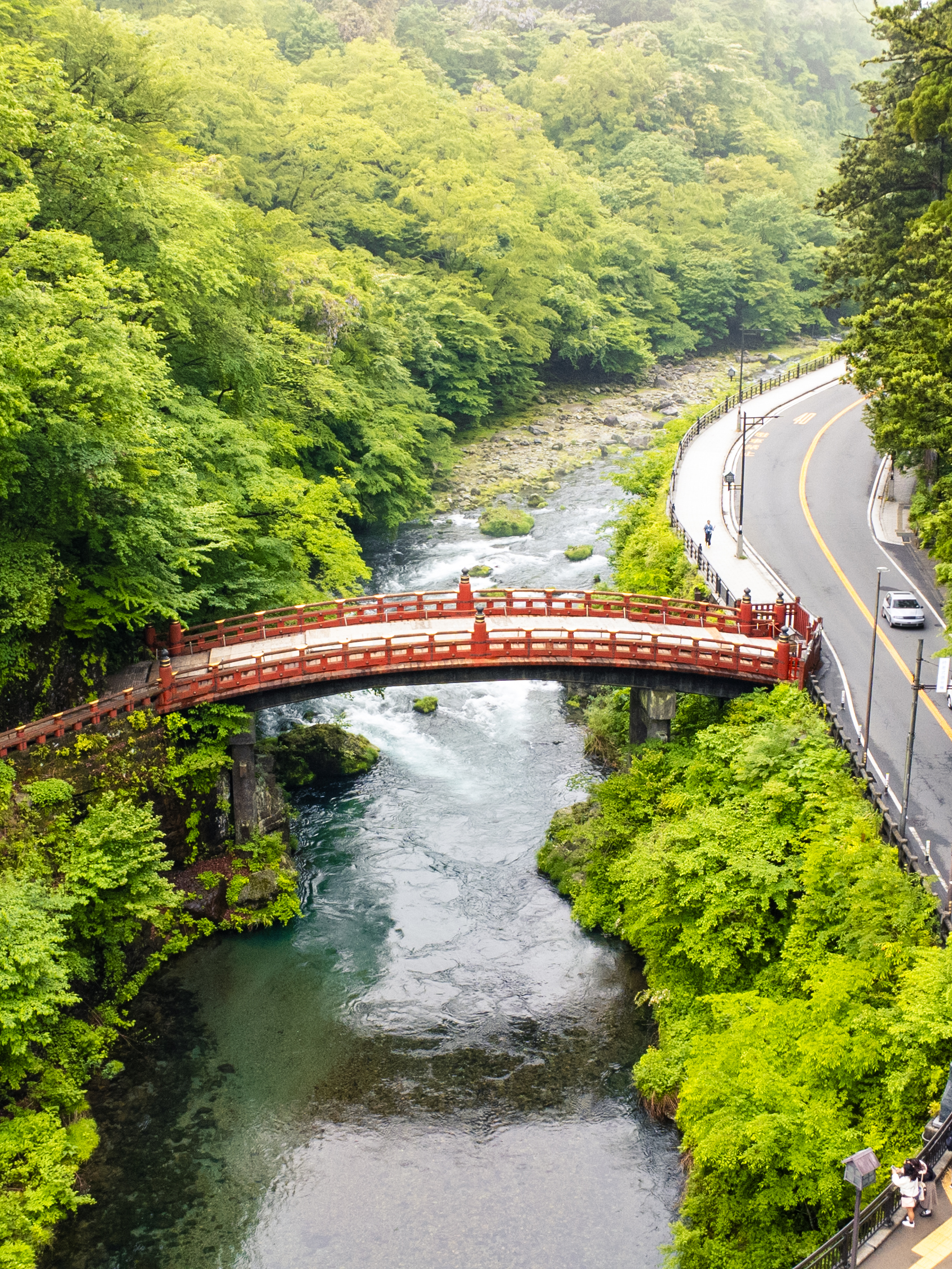
🌉 Shinkyō Bridge
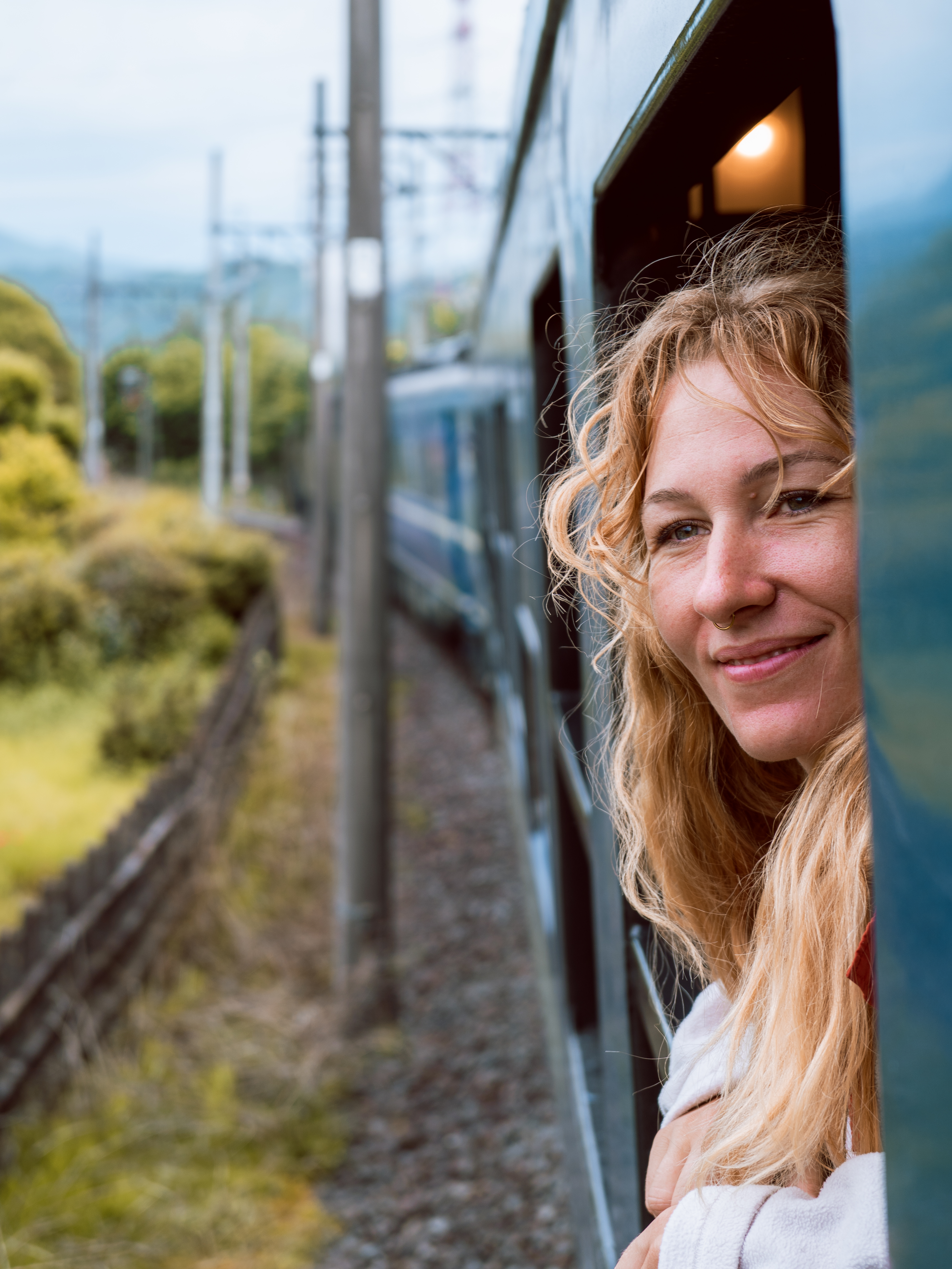
🚂 SL Train
We also took the steam train between Kinugawa and Shimo-Imaichi. The ride took around 35 minutes and was a lovely little experience with the kids, with beautiful views along the way.
And don't miss the foot onsen near the train station — perfect after another day of walking.
Where we stayed in Nikko

Where we stayed
Nikko
Nikko
Seven days might sound like a lot for Nikko, but we actually liked having the extra time here. It allowed us to slow down and explore beyond the most famous temples instead of rushing through Nikko as a day trip from Tokyo.
🗻 4 Days in Fujikawaguchiko — Chasing Mount Fuji
Next came the place we had probably been most excited about: Mount Fuji.
And if there is one thing Fujikawaguchiko taught us, it's this:
Mount Fuji decides whether you get to see Mount Fuji. Not you. 😂
We travelled to Fujikawaguchiko by bus, which we booked through 12Go Asia. We paid around €12 per person, including the kids, and the journey took roughly two hours.
Book transport
Tokyo to Fujikawaguchiko by bus
Book on 12Go Asia
We had planned several days in the area because there were so many famous Fuji viewpoints we wanted to see.
In hindsight, this was probably too long for us.
🚲 Cycling around Lake Kawaguchi
One day the weather finally looked promising, so we decided to make the most of it and rented bikes.
We paid around €35 for the day and cycled towards Lake Kawaguchi.
Cycling was actually a really nice way to explore the area as a family and gave us a bit more freedom than constantly relying on bus.
There was just one tiny problem.
By the time we reached the lake…
Mount Fuji had disappeared behind the clouds. 😂
This became a recurring theme during our stay.
You can have sunshine where you're standing and still see absolutely nothing of Fuji.
🏮 Chureito Pagoda — expectation vs. reality
Of course, Chureito Pagoda was high on our list.
It's one of those images we'd seen countless times before coming to Japan: the red pagoda, Mount Fuji perfectly framed in the background and the landscape stretching out below.
We made it!
And yes, when Fuji is visible, the view is iconic.
But there was another side to it that you don't necessarily see on Instagram: The masses of people.
The weather forecast for the following days wasn't looking good, which probably meant everyone had the same idea as us and wanted to take advantage of the better conditions.
It was packed.
Instead of sitting somewhere and really enjoying the view, it felt more like: Find a spot. Take a few photos. Move on.
That's simply the reality of visiting one of Japan's most famous viewpoints.
We're obviously part of those crowds too, but it's worth knowing before you arrive expecting a peaceful pagoda with Mount Fuji in the background.
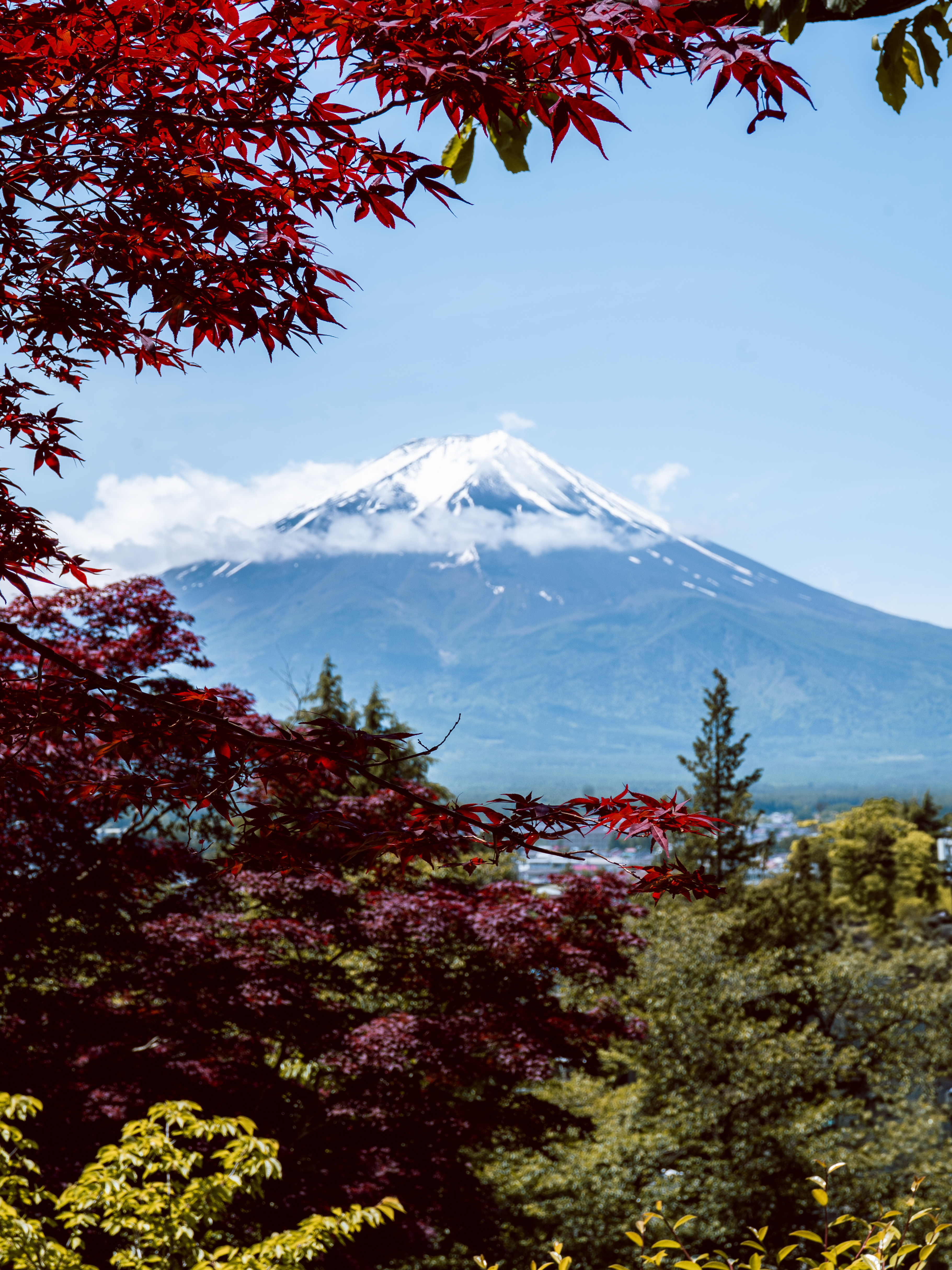
Our biggest Mount Fuji tip: check the webcams!
Mount Fuji was properly visible for only one day during our stay.
And this makes a massive difference.
So many of the famous places around Fujikawaguchiko are special because Fuji is towering behind them.
Honcho Street without Mount Fuji? Still a Japanese street.
Lake Kawaguchi without Mount Fuji? Still a beautiful lake.
Chureito Pagoda without Mount Fuji? Still worth seeing — but it's simply not the same view you've travelled there for.
That's why we'd recommend checking the Mount Fuji webcams and weather forecast before travelling there if your itinerary allows you to stay flexible.
For us, several days felt too long.
If your main goal is to see those iconic Mount Fuji views and the forecast is good, we think Fujikawaguchiko can easily work as a day trip or one-night stay from Tokyo.
We personally preferred having more time in Nikko.
Things to do around Fujikawaguchiko
🌊 Lake Kawaguchi
🏮 Chureito Pagoda
🗻 Honcho Street
One of the famous street views with Mount Fuji rising behind the town — if Fuji decides to show itself!
🚠 Mt. Fuji Panoramic Ropeway
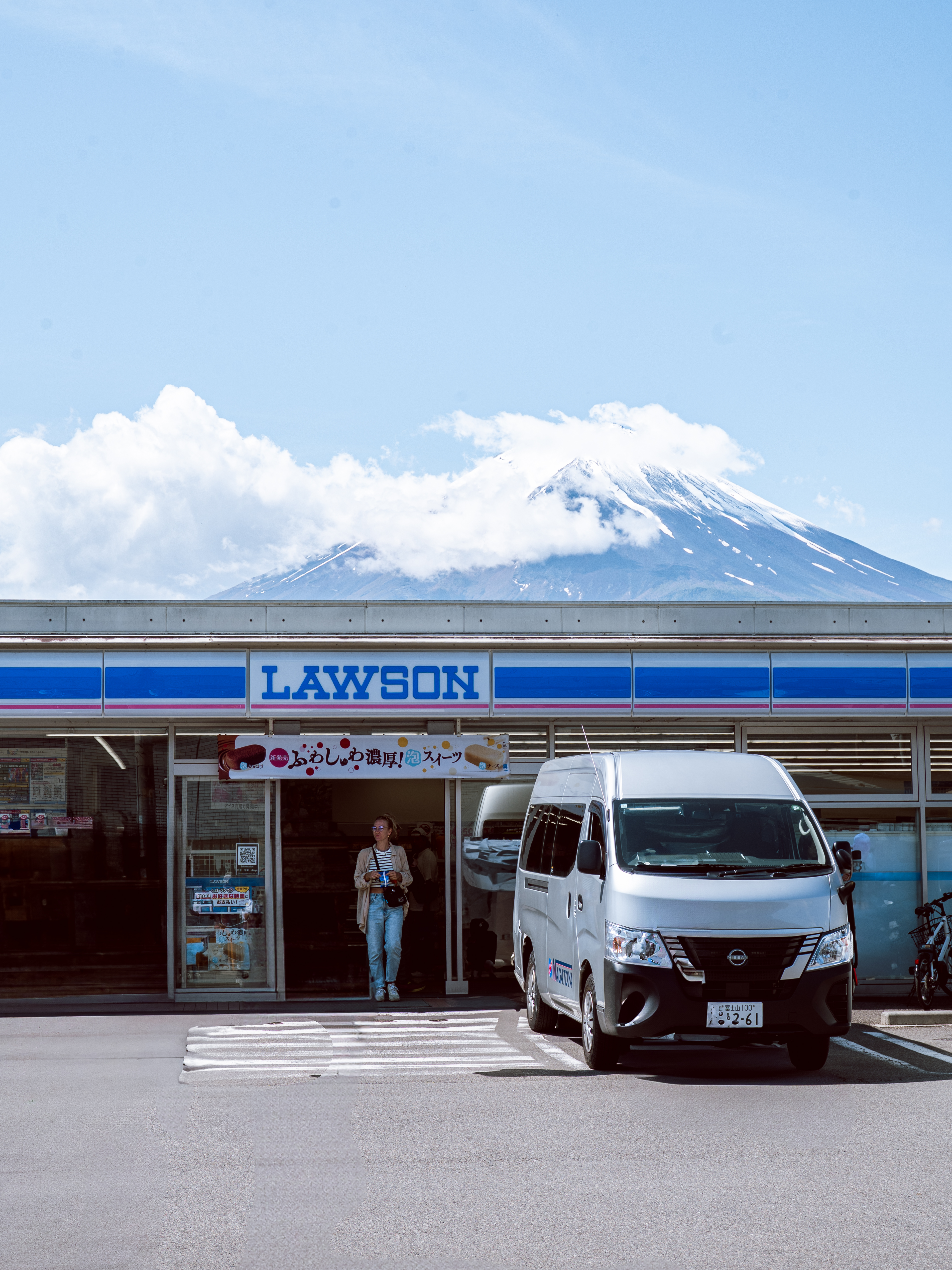
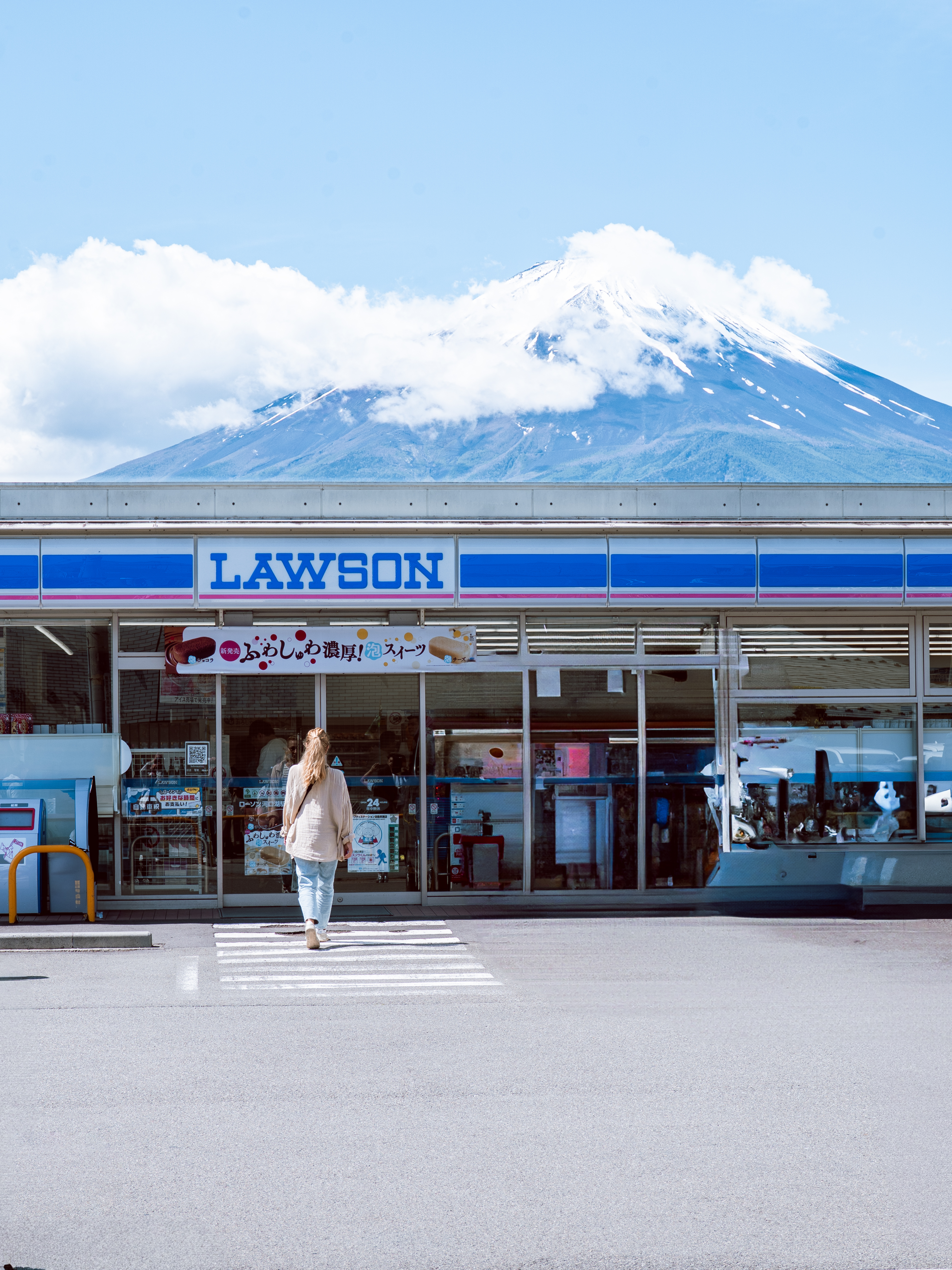
🏪 Lawson Mount Fuji View
Yes, it's literally a convenience store that became famous because of Mount Fuji behind it. Very Japan. 😂
Where we stayed in Fujikawaguchiko

Where we stayed
K's House Fuji View
Fujikawaguchiko
What Nobody Told Us About Japan with Young Kids
Okay…
Before everyone comes for us: Japan is amazing.
We completely understand why so many people fall in love with it.
But travelling Japan with a 4- and 7-year-old was different from what we had imagined. And personally, we probably wouldn't return with young kids. We'd wait until they're a little older.
Here are a few things we wish we'd known beforehand.
❌ There is A LOT of walking
Our kids can hike. They had already walked plenty of kilometres during our world trip.
But hiking towards a waterfall, beach or beautiful viewpoint is different from walking through cities and between temples.
For them, the "goal" often just wasn't exciting enough to justify another long walk.
❌ Playgrounds aren't necessarily the attraction
Compared with some of the other countries we travelled through, we found fewer really exciting playgrounds and kid-focused outdoor spaces than we expected.
❌ Temples and shrines can become repetitive for little kids
We might look at an ancient shrine and think: Wow. Look at that architecture!
Our four-year-old might look at shrine number five and think: Okay… can we go now?
Fair enough.
Our trick was to turn these visits into little games. Find the Three Wise Monkeys. Look for a dragon. Spot a particular carving. Learn the story behind something unusual.
That worked much better than expecting them to be impressed by the history alone.
❌ Famous sights can be VERY crowded
This was something we noticed both around Mount Fuji and at famous places like Tōshō-gū.
Instagram often shows you the perfect photo.
It doesn't show you the 150 people standing behind the camera. 😂
Going early helped, but even then some of Japan's most famous sights were extremely busy.
And for us, the quieter places were often the ones we enjoyed most.
❌ Public transport is incredible — but rush hour isn't
Japan's public transport system is ridiculously efficient.
But crowded trains during rush hour with two small children? Not our favourite experience.
Whenever possible, we'd avoid the busiest commuter times.
❌ Restaurants can be tiny
Many restaurants we encountered had very limited space. That's part of the charm, but with strollers, backpacks or energetic young kids, it can make eating out more complicated.
❌ Food wasn't always easy for us
Japanese food was something we really wanted to experience, but being vegetarian and travelling with kids who can be picky made things more difficult than expected.
❌ Japan is very orderly
This is also one of the things that makes Japan so pleasant.
Everything feels organised, clean and respectful. People generally make an effort not to disturb others or be unnecessarily loud.
And then you arrive with a four-year-old. 😂
Keeping two excited young children quiet on trains, in restaurants and around certain attractions could sometimes feel stressful.
But There Is So Much to Love
We don't want this to sound like we didn't enjoy Japan — because we did.
There are some huge advantages to travelling here as a family.
✅ We felt incredibly safe. ✅ People were extremely kind to us as a family. ✅ Everything is clean and organised. ✅ Public transport makes travelling without a car easy. ✅ Japan feels completely different from anywhere else we'd travelled.
And we can imagine that travelling here with older children or teenagers would be a completely different experience.
Gaming, anime, Pokémon, technology, Japanese food, history, Tokyo's neighbourhoods and the country's culture could be amazing when they're old enough to really get excited about those things themselves.
So…
Would we go back to Japan? Absolutely.
Would we choose Japan over Southeast Asia for a long trip with younger kids? For our family, probably not.
And that's okay.
Not every destination has to become your favourite.
Our Biggest Japan Tips for Families
One of the first things we'd recommend is getting a Suica card when you arrive.
We got rechargeable cards and simply topped them up whenever needed. It made using trains and metros so much easier because we didn't constantly have to figure out individual tickets.
We'd also try not to pack too much into each day. Tokyo especially looks manageable on a map until you realise how much time you'll spend walking through stations, changing trains and getting from one neighbourhood to another.
For Mount Fuji, stay flexible and check the webcams. If Fuji is visible and the forecast looks good, go. Don't assume that spending four days there means you'll automatically get four days of Fuji views.
At temples and shrines, give younger kids something to search for. Animals, carvings, legends and little stories worked much better for our kids than explaining dates and architecture.
And finally: don't only visit the famous places.
Some of our favourite moments in Japan happened when we left the crowds behind.
Would We Change Our Route?
Yes.
If we were planning exactly the same trip again, we'd probably spend less time in Fujikawaguchiko and keep more time for Nikko or another nature-focused destination.
Our route worked particularly well because we wanted to stay relatively close to Tokyo instead of travelling across the whole country:
Tokyo → Nikko → Fujikawaguchiko → Tokyo
It's an easy route to organise with public transport and gives you a combination of huge city, Japanese culture, nature, temples, hot springs and — hopefully — Mount Fuji.
But our biggest lesson from Japan was probably this:
You don't need to see everything just because you're there.
Sometimes leaving the famous crowded shrine for a quiet one in the forest creates the memory you actually take home.
And Japan will still be there when the kids are older.
That's exactly when we'd love to return.
Things We Packed for Japan
Travelling Japan with two kids meant carrying a lot of gear on long temple walks and train rides. Here's what we actually used and recommend:

Our gear recommendation
Gregory Baltoro 65 Backpack
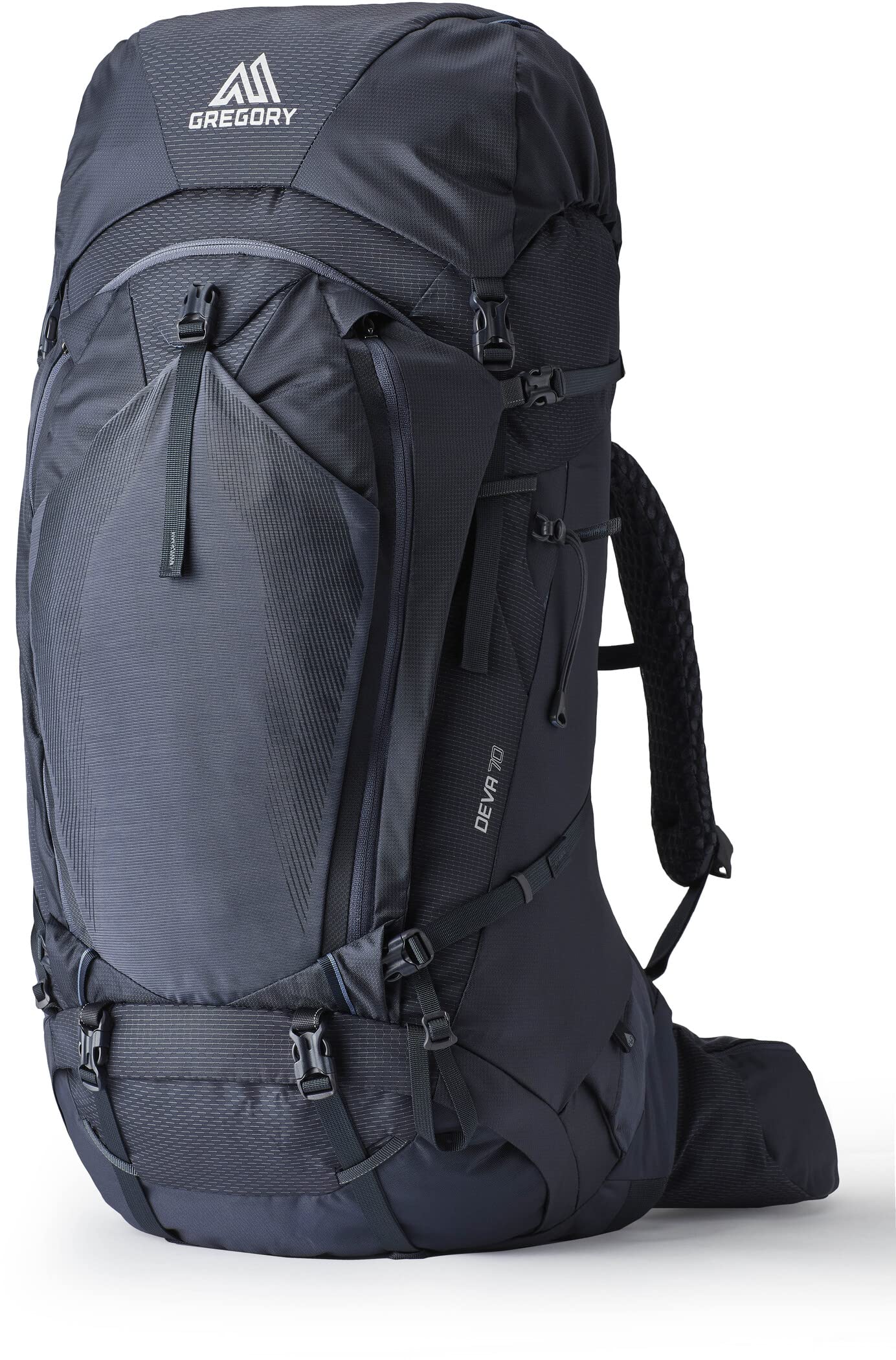
Our gear recommendation
Gregory Deva 70 Women's Backpack
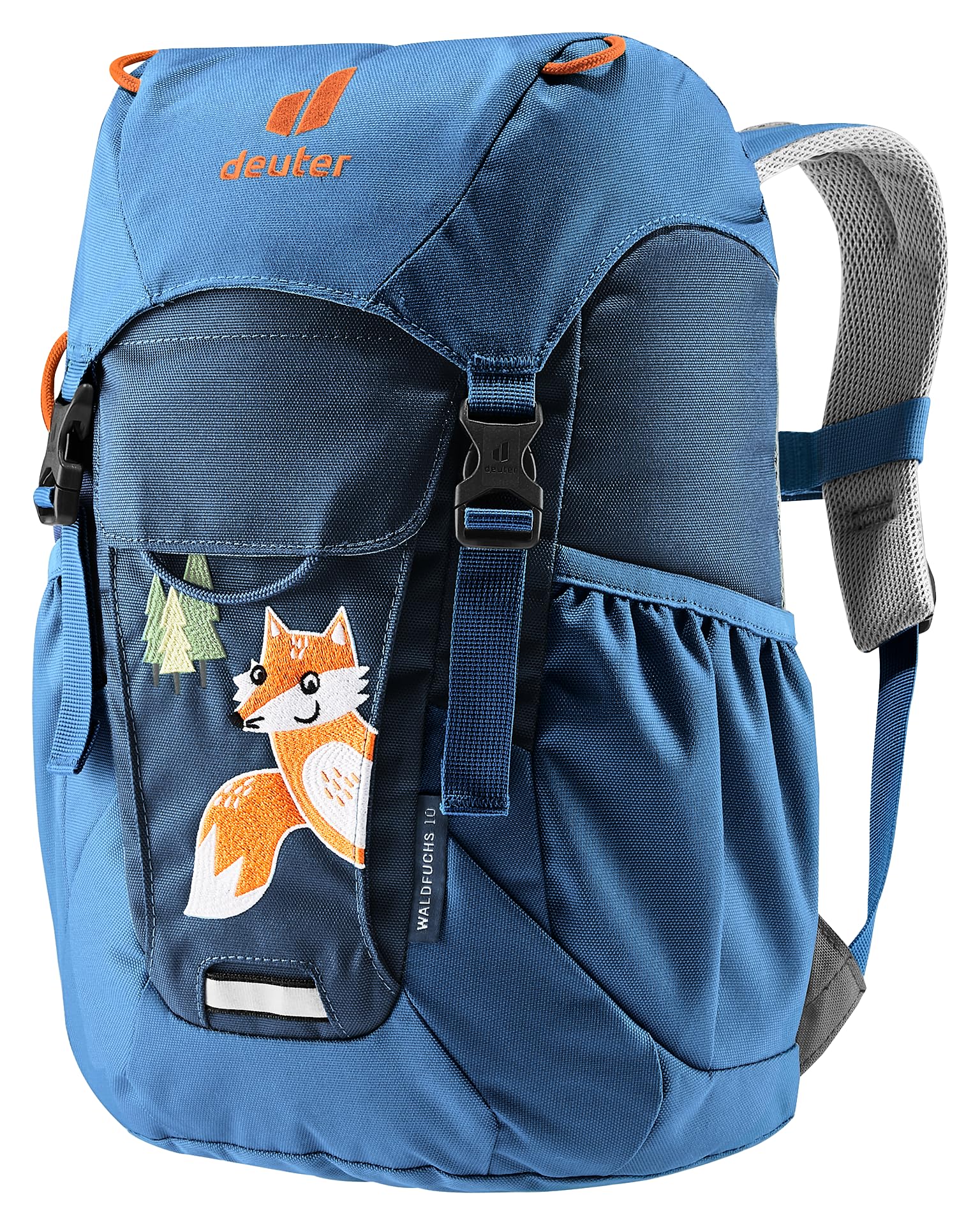
Our gear recommendation
deuter Waldfuchs 10 Children's Backpack

Our gear recommendation
Sony Alpha 7C Camera
Our Travel Essentials
In Japan, you can pay with credit card almost everywhere in the city - from convenience stores to train stations. These are the travel cards and eSIM we use on the road:


More from 4stuffedbackpacks

Asia
Travel Essentials for Kids: What Our Children Actually Needed on a 10-Month World Trip
We left Switzerland with two children's backpacks full of toys — and sent most of it home after one month. Here is what our kids actually needed on a 10-month world trip.
Read more
Maldives
The Maldives on a Budget: Our 17-Day Local Island Adventure – Route, Experiences & Travel Tips
Local islands instead of luxury resorts: how our family of four spent 17 days in the Maldives for around $146 a day, with five islands, public ferries, whale sharks, turtles and stingrays at the beach.
Read more
Greece
Greece in Autumn with Kids: 10 Days of Hidden Beaches, Mountains and Wildlife in the Peloponnese
Is Greece worth visiting in autumn? We spent ten days in the Peloponnese with our two children: quiet beaches, a hidden river, golden jackals, sunsets and our favourite family tips.
Read more